
Article
21st August 2025
3 minute read

Access to Safe Water is a Gendered Issue
At Just a Drop, we know the impact that a lack of access to safe water and sanitation can have on women.
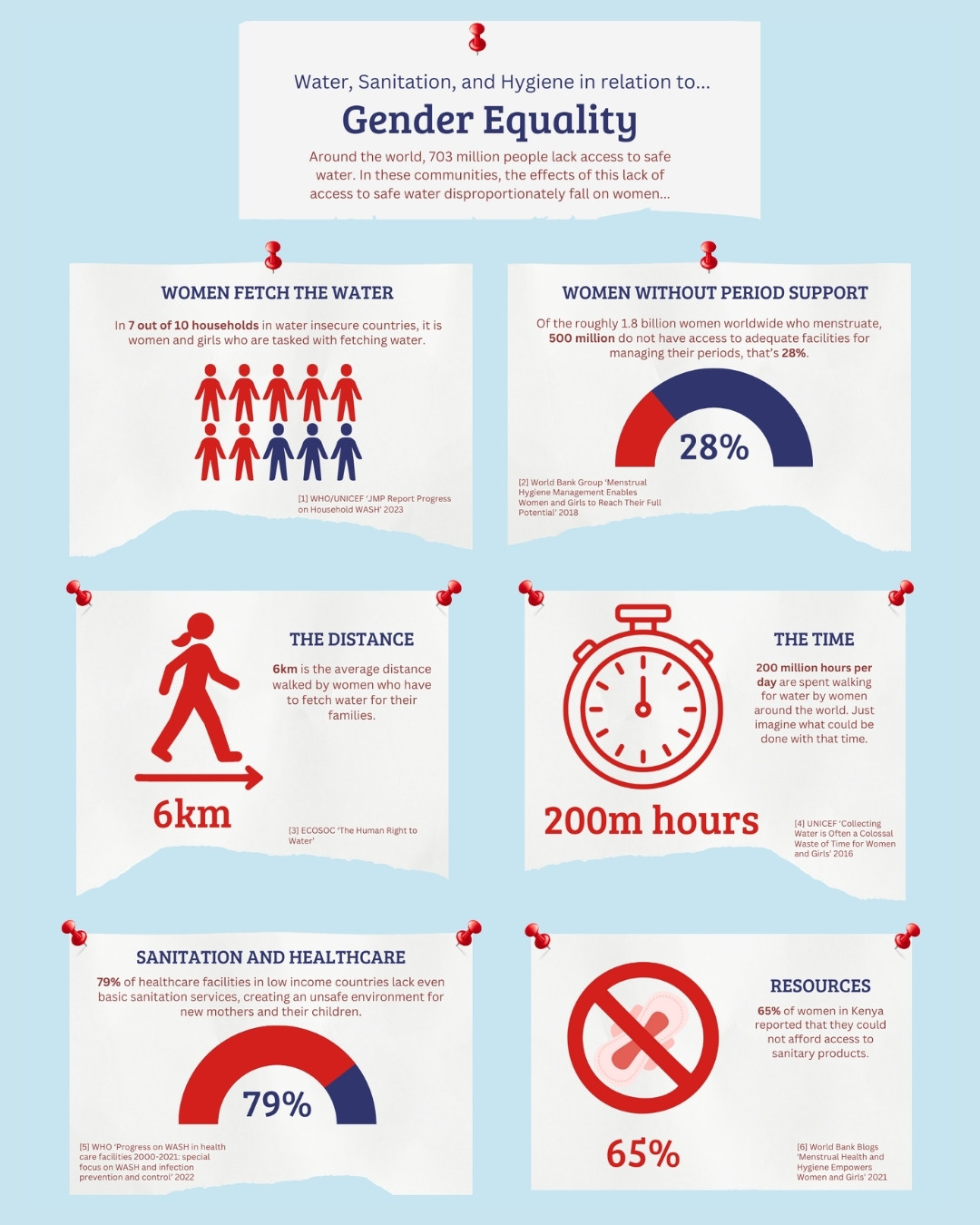
In the communities we work in, the task of walking to fetch water overwhelmingly falls on women and girls. As our infographic shows, this is the case in 70% of households in water-insecure countries – an overwhelming majority. These women and girls walk an average of six kilometres to fetch safe water for their families, with half of this journey inevitably made while carrying a full water container. This adds up to a staggering 200 million hours per day spent by women walking to fetch safe water – time that could be far better spent in education, generating an income, or caring for their families and communities.
This is why we work around the world to ensure that, in whatever form, we deliver safe water to alleviate women and girls of this burden so that they can live, work, and learn. Providing safe water to communities immediately contributes to achieving gender equality worldwide. Once the task of fetching water is eradicated, countless opportunities emerge.
Harnessing the Impact
To bolster these opportunities, Just a Drop implements income-generating loans programmes, enabling women to set up small businesses and increase household income. These programmes include a small loan, repaid into a communal fund, alongside training sessions in finance and accounting. This strengthens the impact that safe water achieves, by providing a path to higher income and a better quality of life for families.
The Effect of Improved Sanitation on Women
With safe water, sanitation levels also begin to improve, further supporting women’s health and wellbeing. Twenty-eight per cent of women worldwide who menstruate do not have access to the facilities they need to manage their periods – that’s around 500 million women every month. In Kenya, where Just a Drop works, 65% of women report being unable to afford sanitary products.
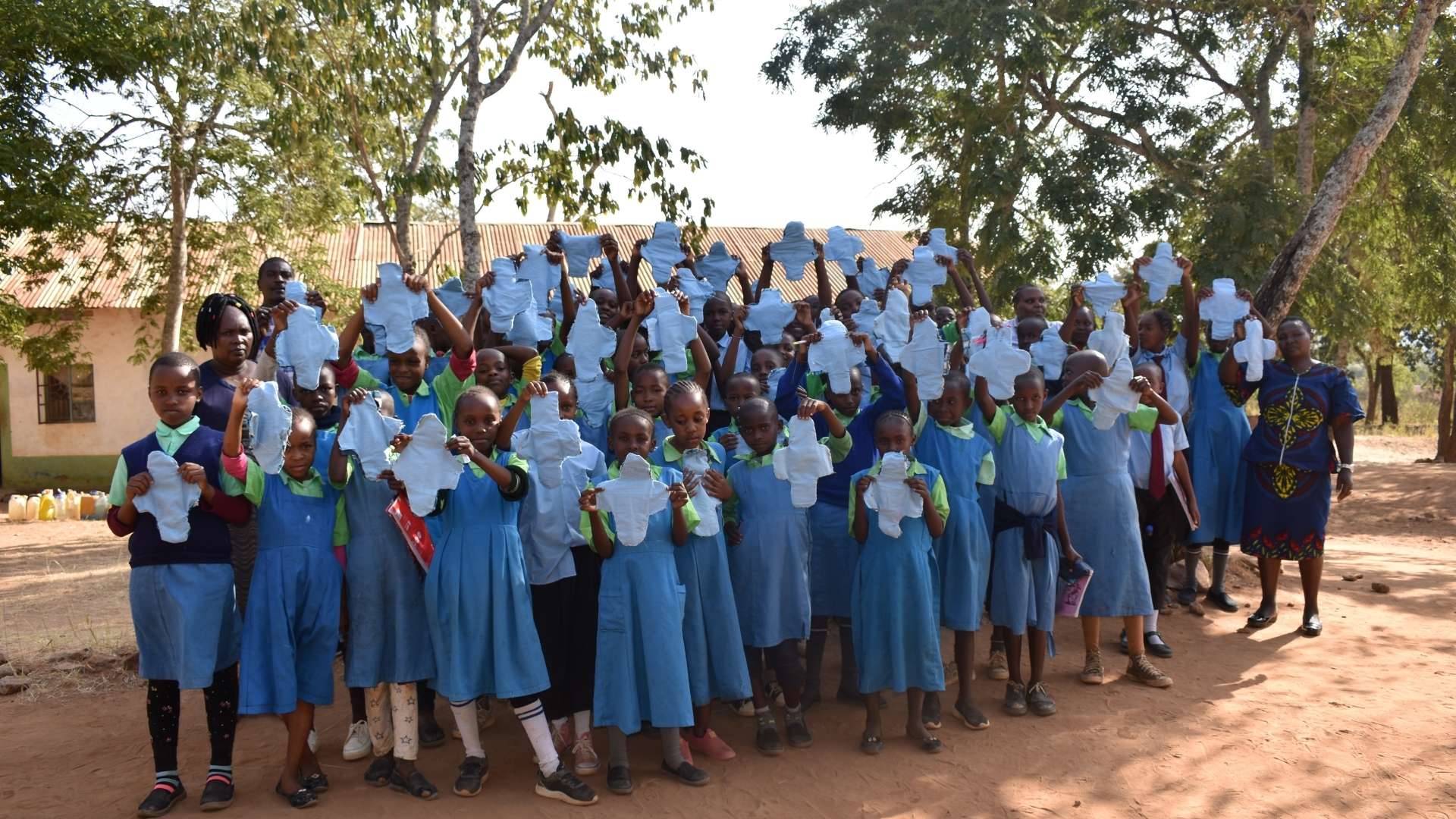
That is why our menstrual hygiene programmes are so important. In every country we work in, we ensure that communities are taught about menstruation and how to manage periods safely. This not only challenges stigma and taboos but also helps women gain confidence while on their periods, allowing them to continue life as normal. We also tackle the lack of access to resources by providing pad-making training, teaching women and girls how to make reusable sanitary pads so that communities never have to go without. The result is that women can continue their daily lives and girls can stay in school throughout the month.
Our work in health centres also ensures that mothers have a safe and healthy environment in which to give birth. Seventy-nine per cent of healthcare facilities in low-income countries lack even the most basic levels of sanitation, making it easy for infections to occur during childbirth. With the provision of safe water, it becomes possible to maintain the sanitation standards required in medical facilities. This leads to lower infant mortality rates, as well as reduced mortality and infection rates among mothers.
Improving Gender Equality Through Safe Water and Sanitation
Together, this work contributes to United Nations Sustainable Development Goal 5: achieving gender equality and empowering all women and girls. We ensure that all our programmes and projects are overseen by governance structures that include and empower women, helping to secure long-term impact far beyond the provision of safe water.
To find out more about our gender equality work, please watch the video below. To discover how you could support Just a Drop in improving gender equality around the world, visit our Partner page to see how we could work together, or head to the Donate page to contribute to our cause.